Car Rental in Munich: The Complete Practical Guide
Renting a car in Munich provides the ultimate freedom to explore Bavaria and the Alps, but you must navigate the city's low-emission zone and strict regional driving laws.
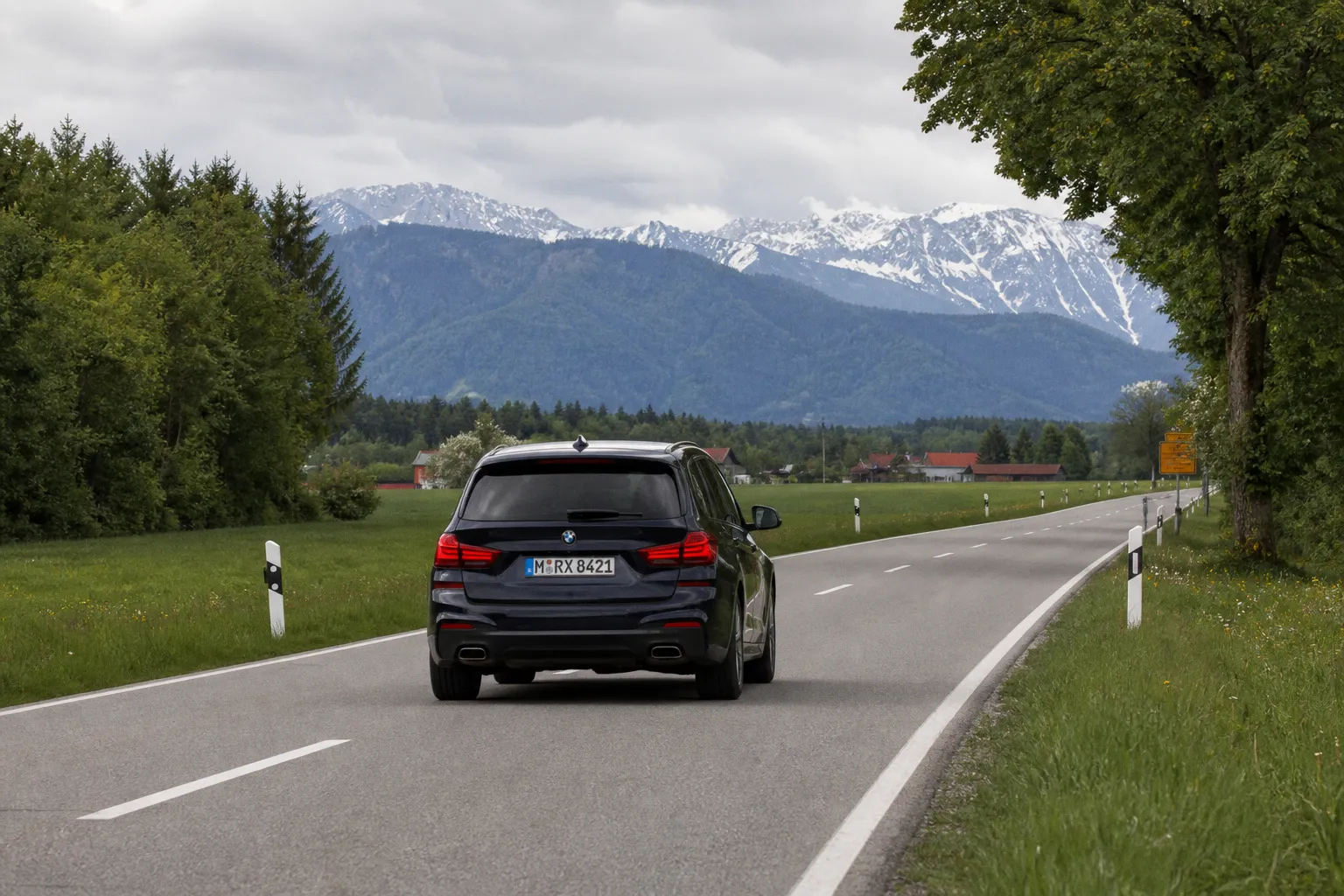
This guide covers everything you need to know about securing a vehicle, understanding local regulations, and planning your routes.
Compare car rental deals in Munich
from €23/day · Prices checked on September 03, 2026
Driving: on the right.
Local currency: EUR.
Emergency number: 112.
Good to know — verified sources- Anyone with a valid driver's license from their home country can drive in the Federal Republic of Germany if they are at least 18 years old. remitly.com
- In Germany, 112 is the number for ambulance and fire, while 110 is the police emergency number. eu.jackery.com
- Entering a German low-emission zone without the sticker risks a 68-euro fine. europe-consommateurs.eu
- Germany has a situational winter tyre requirement: drivers must use winter tyres whenever there is snow, ice, or frost on the road. tyremap.com
- Vignettes do not exist for passenger cars in Germany, and German autobahns are completely free for vehicles up to 7.5 tons. winiety24.eu
Sources checked on September 05, 2026.
Pick-up: airport (MUC) · train station · downtown
Pick-up points: Munich (all locations), Germany · Munich Downtown, Munich, Germany · Munich North, Munich, Germany · Munich East Downtown, Munich, Germany
Partner link — DiscoverCars comparison| Munich Population | Approximately 1,505,005 residents |
| Low-Emission Zone Fine | 100 euros |
| Green Sticker Cost | 5 to 15 euros |
| German Autobahn Toll | Toll-free for standard passenger cars |
| Austria Winter Tire Period | November 1 – April 15 (min. 4 mm tread) |
| Umweltzone Boundary | Inside the Mittlerer Ring road |
Securing a car rental in Munich is the most convenient way to travel beyond the city limits of Bavaria's capital, which is home to approximately 1,505,005 residents. While Munich boasts an excellent public transit system, having your own vehicle is essential for reaching the scenic alpine regions, castles, and neighboring countries like Austria and Switzerland. However, driving within the city center requires careful attention to local environmental regulations, specifically the Umweltzone (low-emission zone). In this guide, we break down the essential rules you must follow to avoid costly fines, explain where to pick up your vehicle, and outline what you need to know when crossing international borders. Whether you plan to collect your vehicle at Munich Airport, the Central Station, or a city center depot, understanding these local requirements will ensure a smooth and hassle-free journey.
L'essentiel: Local Rules and Environmental Zones
Driving a car hire in Munich requires compliance with the city's low-emission zone (Umweltzone), which covers the entire area inside the 'Mittlerer Ring' road. To enter this zone legally, your vehicle must display a valid green emissions sticker ('grüne Plakette'). Driving inside the environmental zone without this badge results in a 100-euro fine. Fortunately, rental cars registered with major agencies in Germany generally come pre-equipped with this green sticker. If you are driving a vehicle registered outside Germany, you must purchase a sticker for 5 to 15 euros at authorized testing organizations like TÜV or DEKRA, or at city offices.
Additionally, while German Autobahns are toll-free for standard passenger cars, crossing into neighboring Austria or Switzerland requires purchasing a separate highway toll vignette. If you plan to drive into Austria between November 1 and April 15, be aware that winter tires are mandatory under winter road conditions, requiring a minimum tread depth of 4 mm for radial tires. Always check with your supplier regarding cross-border travel permissions, as administrative fees vary by company.
Rental Prices and Booking Strategies
When booking a rent a car in Munich, prices fluctuate based on seasonal demand, vehicle class, and how far in advance you reserve. To secure the best rates, it is highly recommended to book your vehicle several weeks or months before your trip, especially if you plan to travel during peak summer months or the winter ski season.
While standard passenger cars do not incur tolls on the German Autobahn, you should budget for potential extra costs. These include cross-border fees if you plan to drive into neighboring countries, and the cost of purchasing toll vignettes for Austria or Switzerland. If you need to buy a German environmental sticker independently, expect to pay a standard cost of 5 to 15 euros. Keep in mind that exact rental company administration fees for cross-border travel permission are not standardized and vary by supplier, so you should compare these policies before finalizing your booking.
Where to Pick Up Your Car in Munich
Munich offers multiple convenient locations to pick up your rental car, depending on your travel itinerary. The primary hub is Munich Airport (MUC), located north of the city, where major international rental agencies operate large fleets. Picking up your car here is ideal if you want to head straight onto the Autobahn without navigating the city center traffic.
Alternatively, if you arrive by train, Munich Central Station (Hauptbahnhof) features numerous rental desks. This location is highly convenient but requires immediate navigation of the city's streets. If you choose to pick up your vehicle from a city center depot or the Central Station, ensure the vehicle has the green environmental sticker before driving inside the 'Mittlerer Ring' road. Be aware that rental cars picked up outside of Germany (such as in Austria or Italy) do not automatically come with the German green sticker, so you must verify this if you are driving a foreign-registered vehicle into Munich.
Road Trip Tips and Cross-Border Driving
Munich is the perfect starting point for scenic road trips across Bavaria and into the Alps. However, driving in this region requires preparation for changing road conditions and international laws. If your route takes you south into Austria, remember that winter tires are legally mandatory under winter road conditions from November 1 to April 15, and they must have a minimum tread depth of 4 mm for radial tires.
Before leaving the rental depot, confirm with your provider that cross-border travel is permitted for your specific vehicle category, as some premium brands may have geographical restrictions. You must also purchase the appropriate physical or digital toll vignette before crossing the Austrian or Swiss borders. While German highways remain toll-free for light passenger cars, failing to display a valid vignette on neighboring motorways will result in heavy fines from local authorities.
Where to go by car
| Destination | Distance | Time | Tolls (est.) | Why go |
|---|---|---|---|---|
| Neuschwanstein Castle | ~120 km | ~1 h 40 | — | Visit the famous fairy-tale castle in the Bavarian Alps. |
| Salzburg (Austria) | ~145 km | ~1 h 30 | — | Explore Mozart's birthplace and the historic Salzburg Fortress. |
| Lake Chiemsee | ~90 km | ~1 h 00 | — | Enjoy boat trips to Herrenchiemsee Palace on Bavaria's largest lake. |
| Garmisch-Partenkirchen | ~90 km | ~1 h 10 | — | Access the Zugspitze, Germany's highest peak, and alpine hiking trails. |
| Innsbruck (Austria) | ~160 km | ~2 h 00 | — | Experience a historic Austrian city surrounded by dramatic mountain peaks. |
Tolls: rates vary by country and route segment — check current pricing before you go.