Car Rental in Iceland, Iceland: A Practical Guide
Securing a car rental in Iceland, Iceland requires navigating specific local regulations, unique insurance exclusions, and the new 2026 road tax system.
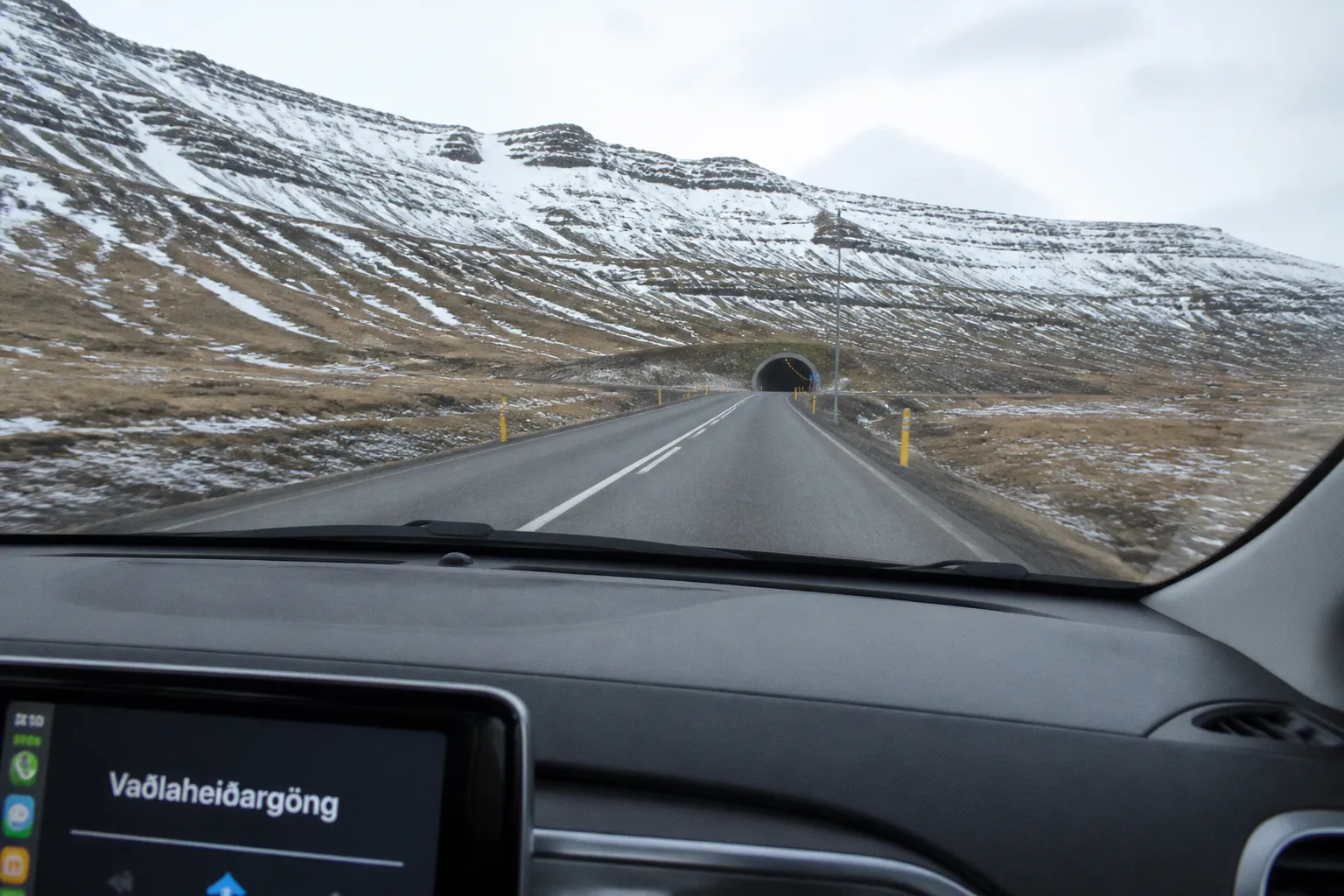
This guide outlines the exact rules, costs, and routes to ensure a smooth self-drive journey.
Good to know
Driving: on the right.
Local currency: ISK.
Emergency number: 112.
| Urban Speed Limit | 50 km/h |
| Gravel Road Speed Limit | 80 km/h |
| Paved Highway Speed Limit | 90 km/h |
| Blood Alcohol Limit (BAC) | 0.02% |
| Road Tax (from Jan 1, 2026) | 6.95 ISK per kilometer |
| Vaðlaheiðargöng Tunnel Toll | 1,500 ISK (under 3.5 tons) |
Renting a car in Iceland, Iceland is the most practical way to explore the region's dramatic landscapes, but it comes with strict legal and financial responsibilities. As of January 1, 2026, all drivers must budget for a new per-kilometer road tax of 6.95 ISK, which applies across all vehicle fuel types. Additionally, navigating the local terrain requires choosing the right vehicle class; standard two-wheel-drive (2WD) cars are suitable for paved highways, but four-wheel-drive (4WD) vehicles are legally mandated for interior mountain F-roads. Standard rental insurance packages routinely exclude common local hazards, such as wind-blown door damage and river crossings. This guide provides the essential facts on local speed limits, toll payments, and insurance policies to help you plan your budget, select the correct vehicle, and avoid costly penalties while driving in and around Iceland.
L'essentiel: Local Rules and Driving Regulations
Driving in Iceland, Iceland requires strict adherence to local safety laws. The blood alcohol concentration (BAC) limit is exceptionally low at 0.02%, meaning a zero-tolerance approach to drinking and driving. You must keep your vehicle headlights turned on at all times, day and night, throughout the entire year. Speed limits are strictly enforced: 50 km/h in urban areas, 80 km/h on unpaved gravel roads, and 90 km/h on paved rural highways. Off-road driving (driving off marked roads) is strictly illegal due to the fragile moss and volcanic ecosystems, and violators face heavy financial fines. If you plan to drive in the interior highlands, note that F-roads are legally restricted to 4WD vehicles. Driving a 2WD vehicle on these routes is illegal and completely voids your rental insurance. Additionally, be aware of the Vaðlaheiðargöng tunnel in northern Iceland; it charges a toll of 1,500 ISK for vehicles under 3.5 tons, which must be paid online within 24 hours of passage.
Rental Costs and Insurance Realities
When budgeting for your car hire in Iceland, Iceland, you must account for both the base rental rate and the mandatory per-kilometer road tax of 6.95 ISK implemented on January 1, 2026. Insurance is another critical cost factor. Standard Collision Damage Waiver (CDW) policies provided by rental companies or credit cards typically carry high deductibles and exclude major local risks. Specifically, standard rental insurance routinely excludes water damage caused by river crossings, undercarriage chassis damage, and door damage caused by extreme wind gusts. To protect your budget, inspect the vehicle carefully at pickup and consider supplementary gravel and wind protection. Booking your vehicle several months in advance is highly recommended to secure the specific vehicle class you need, especially if you require a 4WD vehicle for highland routes.
Where to Pick Up Your Vehicle
Most travelers secure their rent a car in Iceland, Iceland directly at the primary international airport arrival terminal or at dedicated rental hubs in the city center. Major international and local rental agencies operate desks directly inside the terminal, allowing you to collect your keys immediately after clearing customs. If you book with a local budget provider, they may operate just outside the airport perimeter, offering a free shuttle service to their depot. When picking up your vehicle, ensure the rental agent documents all pre-existing scratches, windshield chips from gravel, and door alignment issues. Verify that the vehicle is equipped with the necessary safety gear and that the headlights are functioning correctly before leaving the lot.
Navigating Local Roads and Hazards
Driving outside urban areas quickly transitions from smooth asphalt to challenging terrain. Gravel roads require immediate deceleration to the 80 km/h limit to prevent loose stones from chipping the windshield or damaging the paint. When meeting oncoming traffic on single-lane bridges or narrow gravel passes, slow down and yield as appropriate. Weather conditions change rapidly, and high winds can easily catch car doors; always hold the door firmly with both hands when opening it. If your route includes F-roads, check road opening statuses and ensure your 4WD vehicle has sufficient ground clearance. Never attempt to cross rivers unless you are experienced, as engine water damage is entirely your financial responsibility.
Where to go by car
| Destination | Distance | Time | Tolls (est.) | Why go |
|---|---|---|---|---|
| Golden Circle Loop | ~230 km | ~3 h 00 | — | A classic scenic route featuring Gullfoss waterfall, Geysir geothermal area, and Þingvellir National Park. |
| Vík í Mýrdal | ~180 km | ~2 h 30 | — | A coastal drive along the south coast to see black sand beaches and dramatic basalt columns. |
| Akureyri | ~390 km | ~4 h 45 | — | Access the northern capital via the Ring Road, passing through the Vaðlaheiðargöng tunnel. |
| Blue Lagoon | ~50 km | ~0 h 45 | — | A short drive to the famous geothermal spa located on the rugged Reykjanes Peninsula. |
Tolls: rates vary by country and route segment — check current pricing before you go.