Detecting Neurodegenerative Diseases Through Brain-Derived Extracellular Vesicles
Isolating brain-specific biomarkers from blood has long required invasive sampling or indirect proxies — both compromise resolution at the cellular level. NanoSomiX, Inc. is now engineering around that bottleneck.
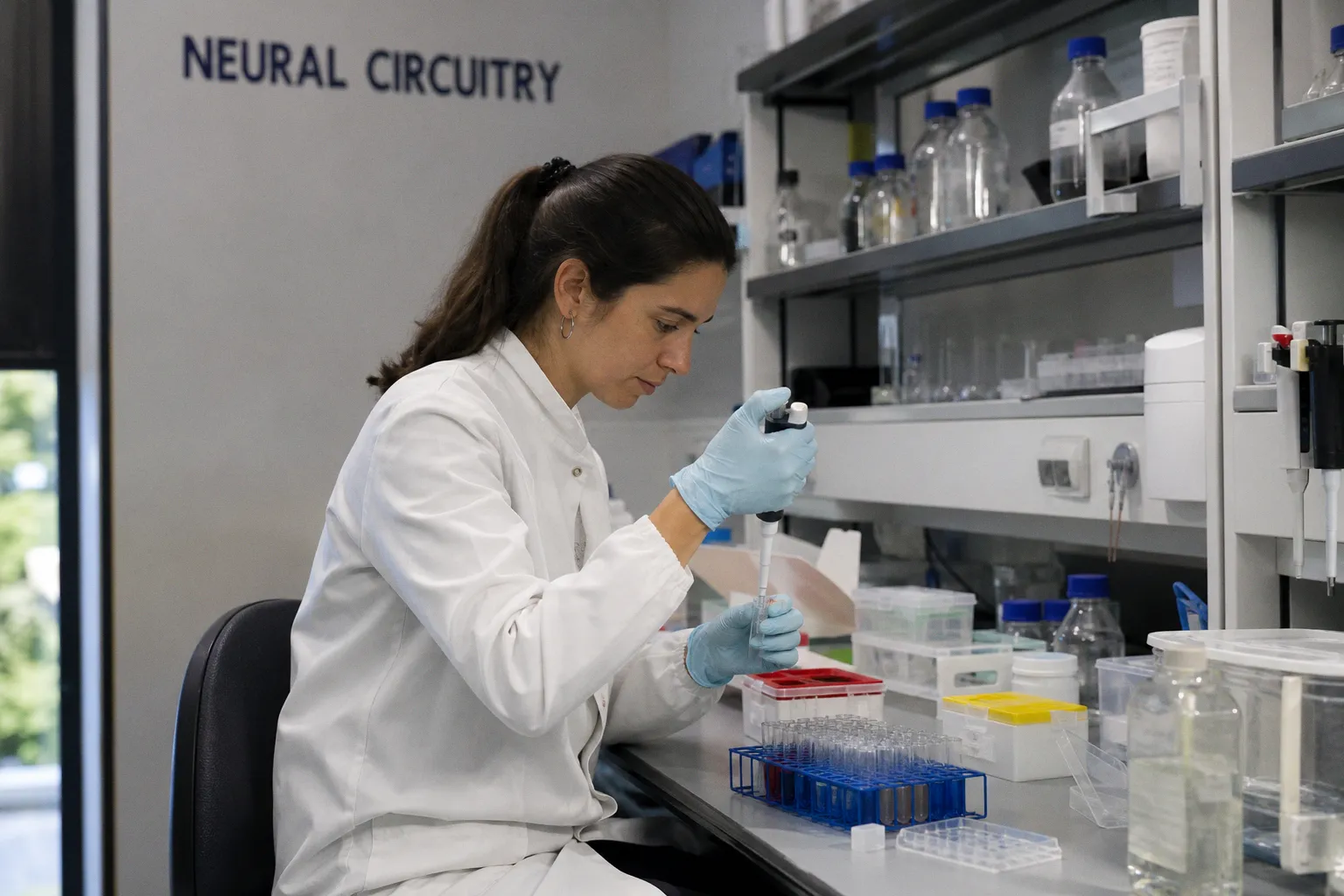
The company announced a planned collaboration with Beckman Coulter Diagnostics to map brain-derived extracellular vesicles (EVs) onto automated immunoassay platforms, targeting scalable detection of low-abundance neural signals in neurodegenerative disease.
The pipeline isolates EVs shed by defined brain cell populations — neurons, astrocytes, oligodendrocytes — from a small volume of blood. Each vesicle class carries cargo reflective of its cell of origin. NanoSomiX's published immunoassay platforms measure that cargo: protein markers tied to disease mechanisms, progression rates, and therapeutic response. The critical step is specificity. General blood assays dilute brain signals in systemic noise. EV isolation calibrates the readout to the compartment of interest.
Translating from lab to throughput
Beckman Coulter's role is automation. The goal is to integrate NanoSomiX's EV-based assays into high-throughput workflows — compatible with clinical lab infrastructure, not just research benches. Dr. Dennis Van Epps, VP of Scientific Affairs at NanoSomiX, described the platform as "a non-invasive way to access meaningful signals from the brain using a small volume of blood." The partnership intends to test whether those assays can scale without sacrificing the cell-type specificity that defines their value. No timelines or regulatory milestones have been disclosed.
Gut-brain axis: a parallel signal pathway
Separately, researchers at the University of Padua published work in the Journal of Biomedical Science tracing neurodegeneration to intestinal inflammation — using zebrafish and mouse models. Chronic exposure to BSSG (β-sitosterol β-D-glucoside), a plant-derived sterol, induced gut inflammation that preceded neurodegenerative signs. The team mapped the mechanism to interference with the glucocorticoid receptor, reducing the body's ability to regulate anti-inflammatory response. Preliminary data also pointed to dysbiosis. The finding reinforces the gut-brain axis as a measurable upstream signal in disease etiology — not just a correlative pathway.
What to isolate next
For practitioners tracking diagnostic biomarkers: EV-based assays and circulating cfDNA approaches (another avenue flagged recently by Frontiers) represent parallel quantification strategies. EVs carry protein cargo; cfDNA carries epigenetic and fragmentation signatures. Neither has cleared clinical validation at scale. Monitor three parameters — cell-type specificity of the isolation step, throughput compatibility, and reproducibility across independent cohorts — before weighting either platform into translational research design. The NanoSomiX–Beckman Coulter collaboration is a structural signal, not yet a validated endpoint.