Social Isolation Physically Remodels Neural Reward Circuits to Increase Alcohol Intake
A preclinical study reported by Medical Xpress on August 25 suggests that social isolation reshapes the brain's reward circuitry, pushing subjects toward escalating alcohol intake.
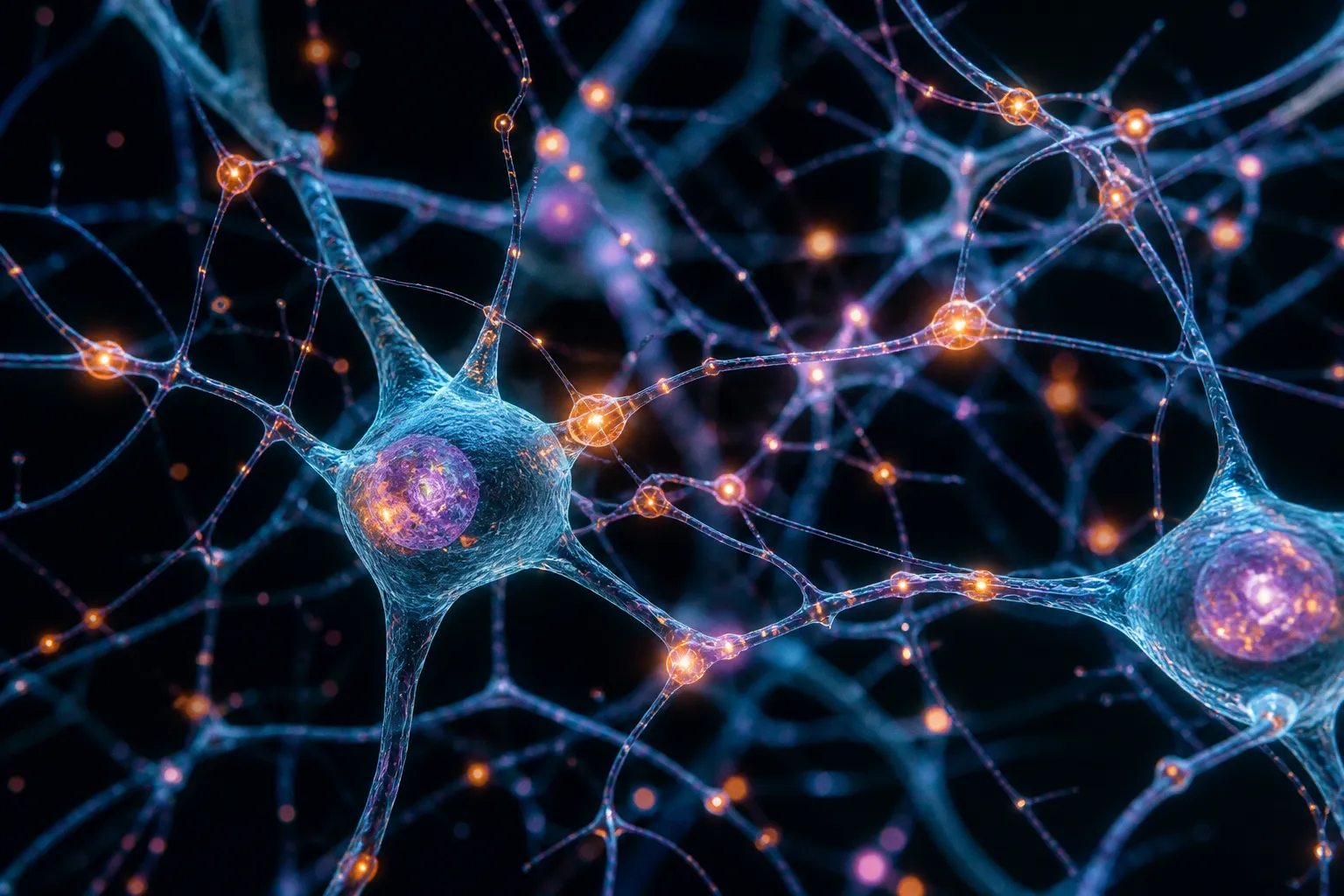
Loneliness rewires the brain to drive alcohol use, preclinical study finds
The finding positions loneliness not as a soft background feeling but as a measurable architectural force on neural pathways.
A circuit-level consequence of isolation
According to the outlet, researchers found that prolonged loneliness drives structural and functional changes in the brain that, in turn, amplify alcohol-seeking behavior. The social environment does not merely correlate with substance use; it appears to reorganize the very circuits that govern it. The study remains preclinical, anchored in animal models, and has not yet been translated to human populations.
For a field accustomed to framing addiction as a chemical or genetic problem, the emphasis on circuit remodeling offers a different vantage point. The brain is being asked to adapt, and some of those adaptations close a loop that makes alcohol use more probable with each cycle. That is the kind of feedback architecture neuroscientists recognize on sight, and it carries the same logic as activity-dependent refinement during development.
What this reframes for neurobiology
If loneliness can reshape connectivity with the same authority that a drug or a lesion can, then social environment earns a seat alongside molecular variables in any honest model of brain development. The report lands inside a broader news cycle of experience-driven brain research: separate coverage this week describes deep-sleep oscillations that may buffer Alzheimer's pathology, a biomechanical study of head impacts in animals that could inform brain disease, and new work on how brain tumors are treated. The throughline is consistent. The nervous system is not a finished object. It is a structure that registers what happens to it and keeps the receipt.
For laboratories mapping how neural networks form, the implication is practical. Behavioral context is not noise to be controlled away. It is signal, and it can be measured, manipulated, and reported alongside molecular readouts. A zebrafish housed alone and a zebrafish housed in a shoal are not interchangeable instruments, and the new study is a reminder that the same caveat applies in mammalian models of addiction.
What to watch next
The Medical Xpress piece does not name the researchers, the institution, or the specific circuits implicated, and the underlying paper is not linked. Before the finding moves from headline to working hypothesis, the community will want to see the peer-reviewed article, the species and paradigm used, and whether the rewiring persists once isolation is reversed. Until then, the study is a directional signal worth tracking. Isolation is a neurobiological variable, not a soft one, and it belongs in the experimental design from the first cohort.