Yale Researchers Develop CondenScreen to Map Genetic Links to Neurodevelopmental Disorders
According to researchers at Yale School of Medicine, a new platform called CondenScreen has mapped which human genes prevent pathological biomolecular condensates from accumulating — and, for the…
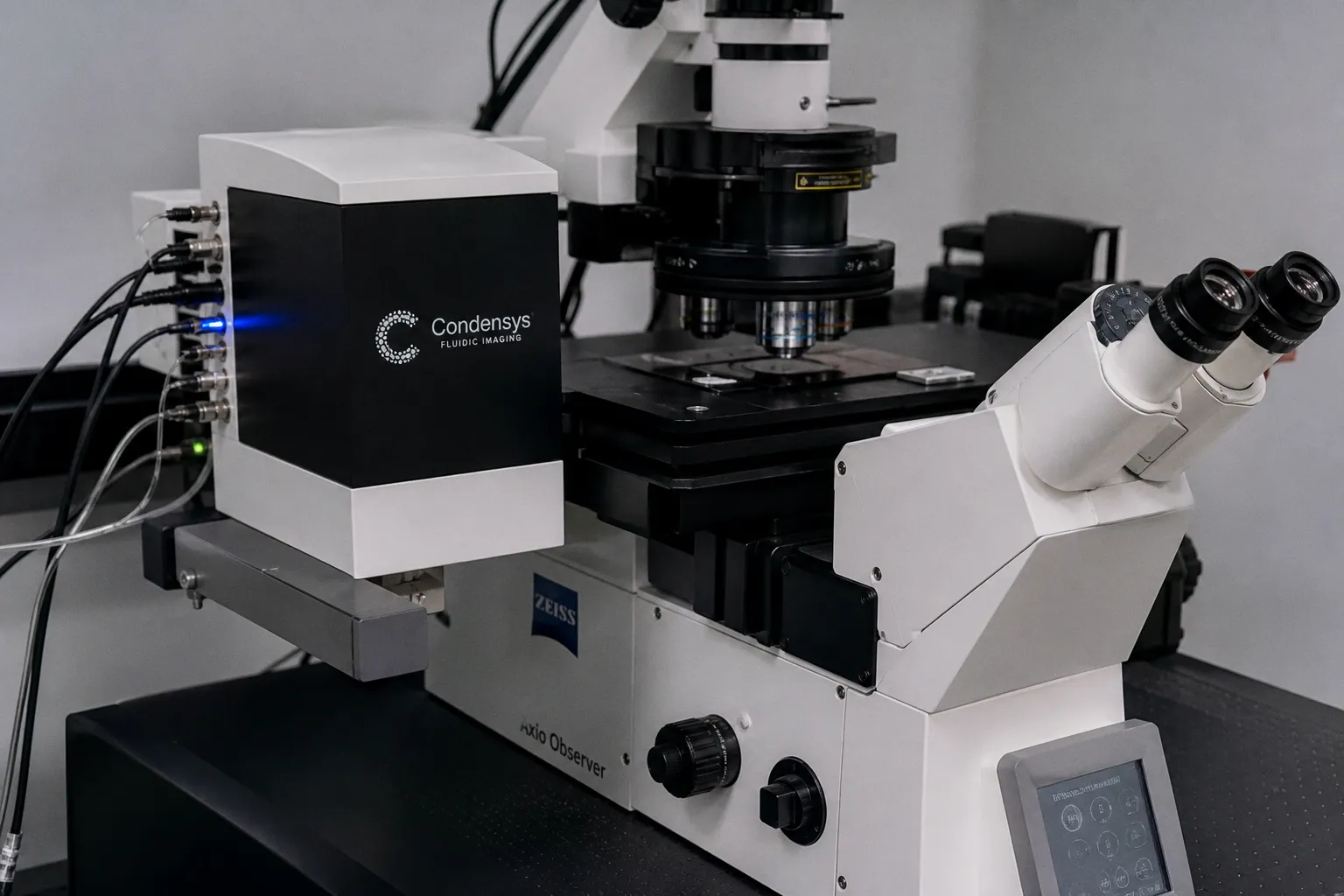
According to researchers at Yale School of Medicine, a new platform called CondenScreen has mapped which human genes prevent pathological biomolecular condensates from accumulating — and, for the first time, tied those clusters to neurodevelopmental disorders such as microcephaly. The work, published Aug. 25 in Molecular Biology of the Cell, runs on MLF2, a protein the team identified as a universal marker of dysfunctional condensates across disease types.
The screen logic
Biomolecular condensates are membrane-less compartments where biological molecules cluster, much like oil droplets separating from water. When they accumulate abnormally, cells die. Prior work had linked them to neurodegenerative diseases — frontotemporal degeneration, Parkinson's, Alzheimer's. The Yale group, led by Christian Schlieker's lab and first-authored by PhD candidate Dylan Poch, knocked out all 20,000 human genes in cultured cells one at a time, then imaged each line for pathological condensates. Genes that suppressed aggregation were flagged.
The result broke expectations: the top hits mapped to neurodevelopmental disorders, not classical neurodegeneration. In parallel, the team ran a molecule screen for drug candidates that block condensate buildup.
Why this matters for circuit labs
For researchers working on neural network formation, the operational takeaway is a new calibration tool. MLF2's universality lets you quantify pathological condensate load independent of disease context — a cross-disease readout rather than a disease-specific one. That shifts how screens get benchmarked, how models get stratified, and how phenotypes get compared across systems.
Poch noted that proteins tied to neurological conditions resist traditional pharmacology. If condensates themselves can be targeted, the group argues, it opens a fresh therapeutic avenue that sidesteps the usual druggability bottleneck.
Open parameters
- In vivo confirmation — current data sits in cultured cells. Translation to intact neural tissue is the next test.
- Conservation across models — whether top gene hits reproduce in zebrafish or mouse neural circuits.
- Drug output — whether the parallel molecule screen yields viable candidates worth follow-up.
- Causation — the team explicitly flags that pathological condensates may be bystanders, not drivers, of disease. Treat the link as correlative until perturbation studies clarify direction.