Neuroscience Society of Nigeria urges end to foreign research dependence
The Neuroscience Society of Nigeria opened its 23rd Scientific Conference in Abuja this week with a pointed invitation: stop importing other people's brain science.
According to coverage of the meeting, society president Dr Angela Danborno told delegates that Nigerian neuroscience can no longer serve as a downstream consumer of findings generated elsewhere — especially as artificial intelligence, neurotechnology, neuroimaging, computational neuroscience, neurogenetics, brain-machine interfaces and precision medicine reshape what a brain scientist can measure. The four-day gathering, running 7 to 10 September 2026, frames its urgency in practical terms: the tools are moving fast, and the populations most often missing from global datasets are the ones most able to benefit from precision medicine.
From consumer to contributor
Danborno's case rests on scarcity rather than sentiment. As reporting from the opening session noted, data from African populations remain sparse across the neuroimaging and computational neuroscience literature — the very inputs that quietly calibrate what any "average" brain looks like inside a model. The International Brain Research Organisation has listed the Abuja meeting among conferences eligible for its travel awards, signalling institutional alignment with the society's capacity-building agenda. Danborno has used her tenure to expand those travel grants and pointed to next-generation training as the decisive variable. "The future of neuroscience in Nigeria will be determined not only by what we accomplish today, but by the scientists we develop for tomorrow," she told delegates.
A small wrinkle sits in the public record worth flagging. An earlier listing by the International Brain Research Organisation carried the conference theme as "Neurotechnology & Brain Health in Africa," while the society's own communications and the opening-day report use "Neuroeducation and Neurotechnology." The dates and venue are consistent across both accounts, but readers tracking the programme should note the discrepancy before citing it.
Why this travels past Abuja
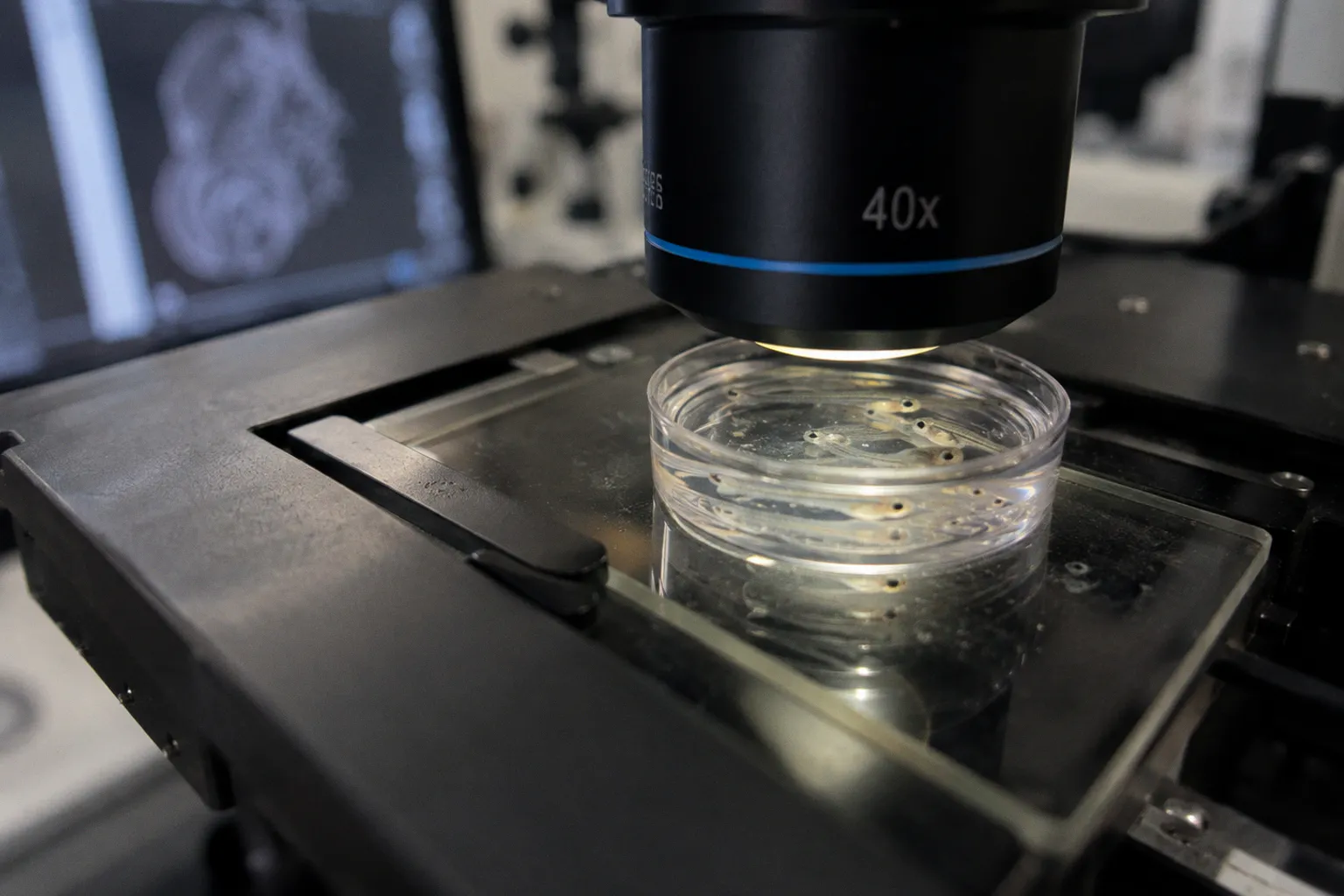
For laboratories that build conclusions from model organisms — from zebrafish larval circuits to rodent connectomes — the Nigerian argument lands close to home. Models inherit the assumptions of their data; if the populations feeding those datasets are narrow, the "general" conclusions narrow with them. A society actively recruiting secondary schoolers through the Nigerian Brain Bee, expanding travel awards, and pushing for locally generated neuroimaging cohorts is, in effect, widening the upstream pipeline that any downstream model will eventually drink from. The actionable read for working groups: watch where population-specific datasets begin to appear in the literature, because they will quietly re-weight what counts as a normative circuit.