New Roadmap for Continuous Brain-Wide Neural Recording Over a Lifetime
The core bottleneck in mapping lifelong circuit plasticity has always been the inverse relationship between spatial resolution and temporal scale.
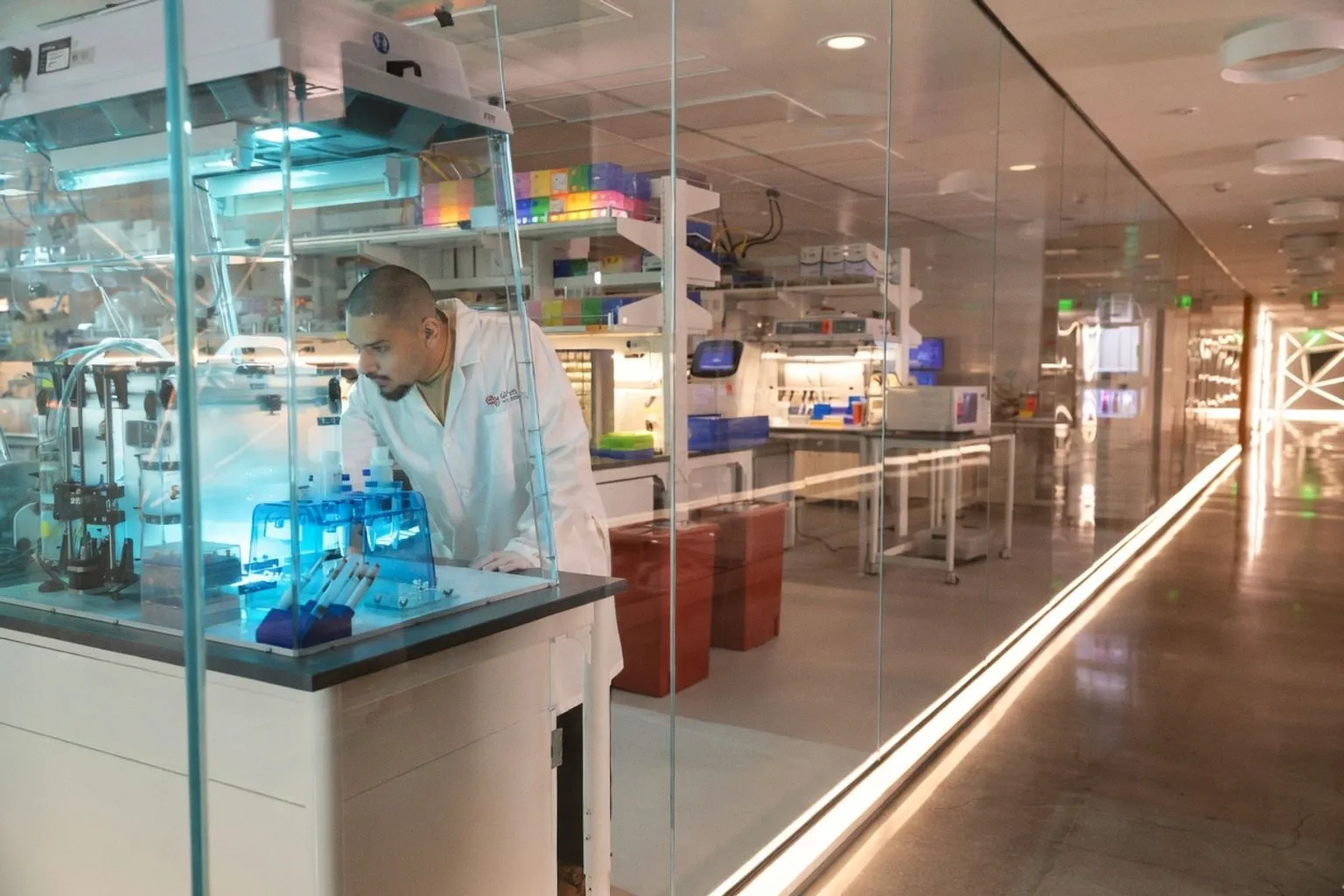
A new Harvard-proposed framework aims to solve this by targeting implantable microelectronics designed to track both brain-wide dynamics and single-neuron activity across a mammal's full lifespan.
Calibrating for Lifespan-Scale Resolution
The roadmap’s primary objective is long-term electrophysiological monitoring. This isn't about capturing a snapshot, but about continuously decoding neurodevelopment, synaptic connectivity, and circuit refinement over decades. The challenge is engineering stability: devices must maintain calibration integrity through biological growth, immune response, and environmental drift without recalibration or replacement.
Mapping the Three Critical Parameters
To achieve lifetime monitoring, three interdependent systems must be optimized. First, the energy budget: power harvesting or storage must be autonomous and sufficient for continuous operation. Second, data bandwidth: the system must transmit or store high-fidelity data streams from potentially millions of recording sites without clogging or loss. Third, biocompatibility: the implant’s interface must avoid chronic inflammation and signal degradation, ensuring the tissue-device boundary remains stable for decades. Each parameter sets a hard constraint on the others.
What This Changes for the Field
This proposal shifts the design goal from short-term, high-resolution acquisition to persistent, closed-loop observation. For researchers working on models like zebrafish, it underscores the need to develop parallel strategies for chronic implants that don’t disrupt natural development. The emphasis is now on materials science and wireless communication protocols as much as on the electrodes themselves.
Actionable Checklist for Practitioners:
- Audit current implant designs for failure modes beyond the 2-year mark.
- Quantify the data throughput requirements for your target neural population at lifespan scales.
- Prioritize collaboration with materials scientists specializing in long-term bio-interfaces.
- Define the minimum viable spatial resolution for your circuit question—lifetime recording may necessitate trade-offs.