The Funding Gap: Why Commercial AI Capital Is Outpacing Basic Neuroscience Research
According to reporting from The Good Men Project, Nvidia pulled in roughly $500 billion for LLMs and robotics while the NIH Brain Initiative has been effectively sidelined — and if you're running a…
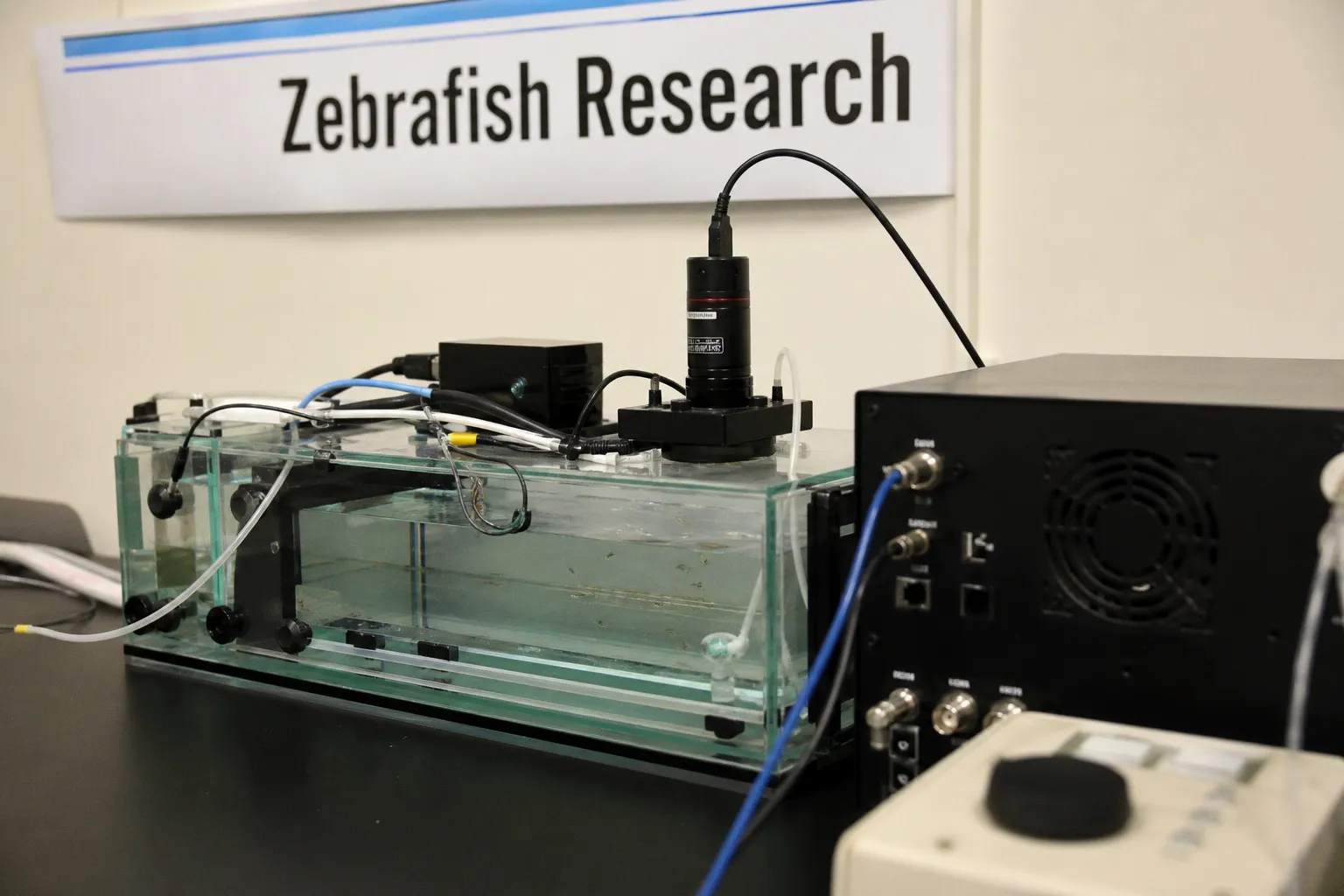
Look, we've all seen the numbers bouncing around the lab Slack lately. According to reporting from The Good Men Project, Nvidia pulled in roughly $500 billion for LLMs and robotics while the NIH Brain Initiative has been effectively sidelined — and if you're running a zebrafish rig on grant money that gets tighter every cycle, that gap between commercial AI capital and basic neuroscience funding is something we should be talking about out loud, not just muttering into our pipettes.
The Funding Tilt
By the source's framing, the lion's share of recent capital is flowing toward large language models and robotics, with Nvidia at the receiving end of that wave. The headline number — $500 billion — comes from The Good Men Project's coverage, not from any peer-reviewed accounting we can audit at the bench. So let's not pretend we have a clean financial breakdown here. What we can say with confidence is that when a single hardware ecosystem pulls in sums that visibly outpace entire federal neuroscience portfolios, the incentive structure around what counts as "important science" gets tilted toward whoever writes the bigger checks.
For anyone screening larvae, mapping optic tectum circuits, or building connectomes from light-sheet stacks, this isn't abstract. It means the funding conversation is happening somewhere else. Tech investors, not study sections, are deciding what neural research gets to scale.
A Different Lane For Brain Tech
In a related thread, Business Wire reports that an international brain health initiative has begun deploying NeuraLight's biomarkers to quantify change in brain function, and Trend Hunter picked up the same story under the headline "Brain Function Biomarker Tech." Both pieces are headline-level — we don't have the underlying trial design, cohort details, or outcome metrics in front of us — but the direction is worth flagging: while one stream of capital races toward LLMs and robots, a separate group is building quantitative biomarkers aimed at measuring neural change in human subjects.
The connection to a zebrafish lab is indirect but real. Biomarker platforms that gain clinical traction tend to trace back to mechanism work in model organisms — conserved circuits, conserved cell types, conserved pharmacology. If NeuraLight's approach gains ground, expect follow-on interest in exactly the fish lines your aquarium is already maintaining.
What To Watch At The Bench
Three things to keep on your radar this quarter: any NIH BRAIN Initiative RFA deadlines that quietly shift dates, the next wave of BRAIN cell census and connectomics publications, and whether zebrafish-specific tool calls — CRISPR reagents, transgenic lines, imaging pipelines — start getting folded into broader AI-infrastructure solicitations. If grant language begins talking about "AI-ready datasets" in zebrafish neurobiology, that's where the money may start flowing, and where your next specific aims page might want to speak that dialect too.
Stay rigorous, stay kind to your postdocs, and don't let the funding headlines dictate what questions you actually ask. The fish don't care who's signing the checks — they only care that your water chemistry is right.